
How to Use a 60-Minute Webinar to Generate $10k in Sales
If I had to pick only one strategy to make $10k (more) in any given month, I would choose to host a live webinar.
How to Bank 1,000 Pre-orders for your Book
I’ll be honest, getting 1,000 pre-orders for a book is one of those goals that sounds impressive but can feel downright ridiculous, especially when you’re just starting out.
The Story Beyond the Page
By now, you’ve seen how each part of storytelling, whether it’s character, world, theme, pacing, or marketing, can weave into a seamless whole.

Transformational Workbooks
Strategic and tactical workbooks to help you master and overcome every creative business block.
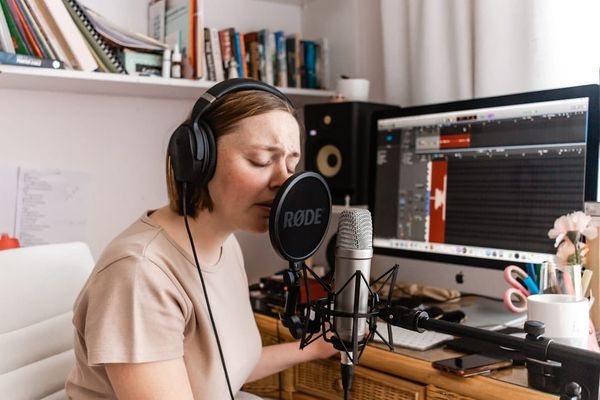
Your voice, your story, your narration
Why self-narrating your audiobook is the smartest move for authors in 2025
365 Simple Ways to Talk About Your Writing and Keep Readers Engaged All Year
Powerful book marketing strategies, tailored to your unique author ecosystem and marketing style, to attract readers, boost sales, and build a sustainable writing career.

Taking a knockout punch without getting knocked down
Learn to turn setbacks into growth, stay resilient, anticipate challenges, make informed choices, and redirect adversity into strength.

Why sequels fail (and how writers can avoid repeating their mistakes)
Discover how entrepreneurs can uncover the emotional drivers behind customer requests and deliver what people really want, not just what they say they need.

Obscurity is a bigger threat than devaluing your work
Writers fear the wrong enemy.

7 unconventional ways to succeed as a writer
Beyond the usual tips to ignite creativity, foster deeper connections, and get you seen by the right readers.

Charting your writing success path from style to scale
Discover the step-by-step journey to grow your creative career. Learn how to develop your unique style, find your voice, build a platform, and scale your work sustainably while reaching the right audi

Why Substack growth posts work (and yours don't)
Learn why successful growth posts on Substack gain traction while yours struggle, and discover the four key barriers preventing your posts from reaching their intended audience.

5 Substack 'Secrets' To Take Your Publication To The Next Level
Effective strategies to grow and monetize your Substack faster than ever in 2025.
The Secret Power of Book Reviews: Why They Matter and How to Get Them
It doesn't have to be so hard to get reviews. Today, we're gonna show you how to get stacked with reviews for your next, or last, book.

How to Hook Readers by Stealing Television’s Binge-Worthy Secrets
Learn how to make your novel unputdownable by borrowing binge-worthy storytelling secrets from television, including five essential scenes that will keep readers hooked from start to finish.
Wannabe Press Income Report - Q4 - 2024
This was a wild quarter, so this is gonna be a wild income report. I honestly don’t even know how to conceptualize it, but I'm gonna try.

Why 45% of Substacks go inactive, and other findings from combing through 75k newsletters
Uncover the surprising patterns behind newsletter longevity, creator challenges, and the strategies that separate thriving publications from the rest.

How not to f*ck up your newsletter
Or: how to navigate the increasingly dark and deep sea of 2025 “growth hack” listicles
What Now?
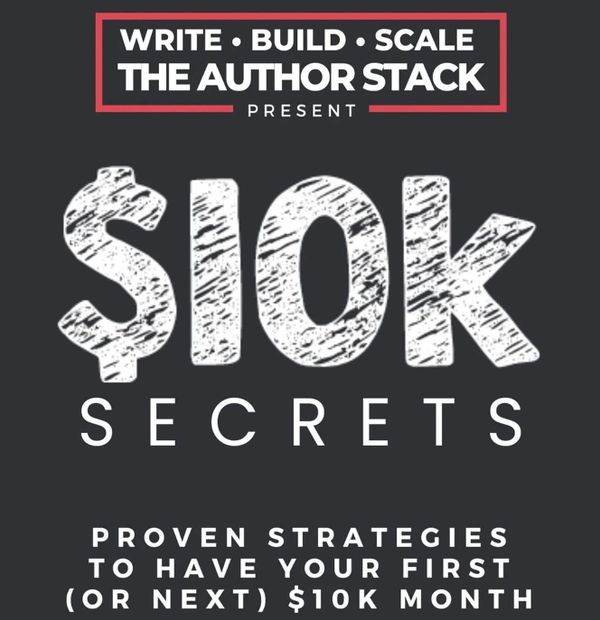
You’ve made it to the end of SIX FIGURE SECRETS—and read over a dozen different paths to $10K/month.

Set your win condition
Align your actions with your win condition to avoid burnout and achieve long-term creative success without freaking out about doing things you like instead of spending every second "being productive".

How partnerships change over time (and why we've been thinking about them all wrong)
Why picking the right partners at the right time matters for career success

"Triaging" your business with our Hapitalist framework
This is our "quick start" triage guide to building your business and getting you on the right track, filled with practical strategies for balancing productivity, monetization, and more.

Newsletter growth stages
I was talking with a newsletter operator a little while ago and got to talking about newsletter stages, and places where writers get stuck in their growth journey. This is my answer.

My wildest business chart yet?
Am I good at business or bad at business in 2024? Inside, we speculate wildly.